Introduction
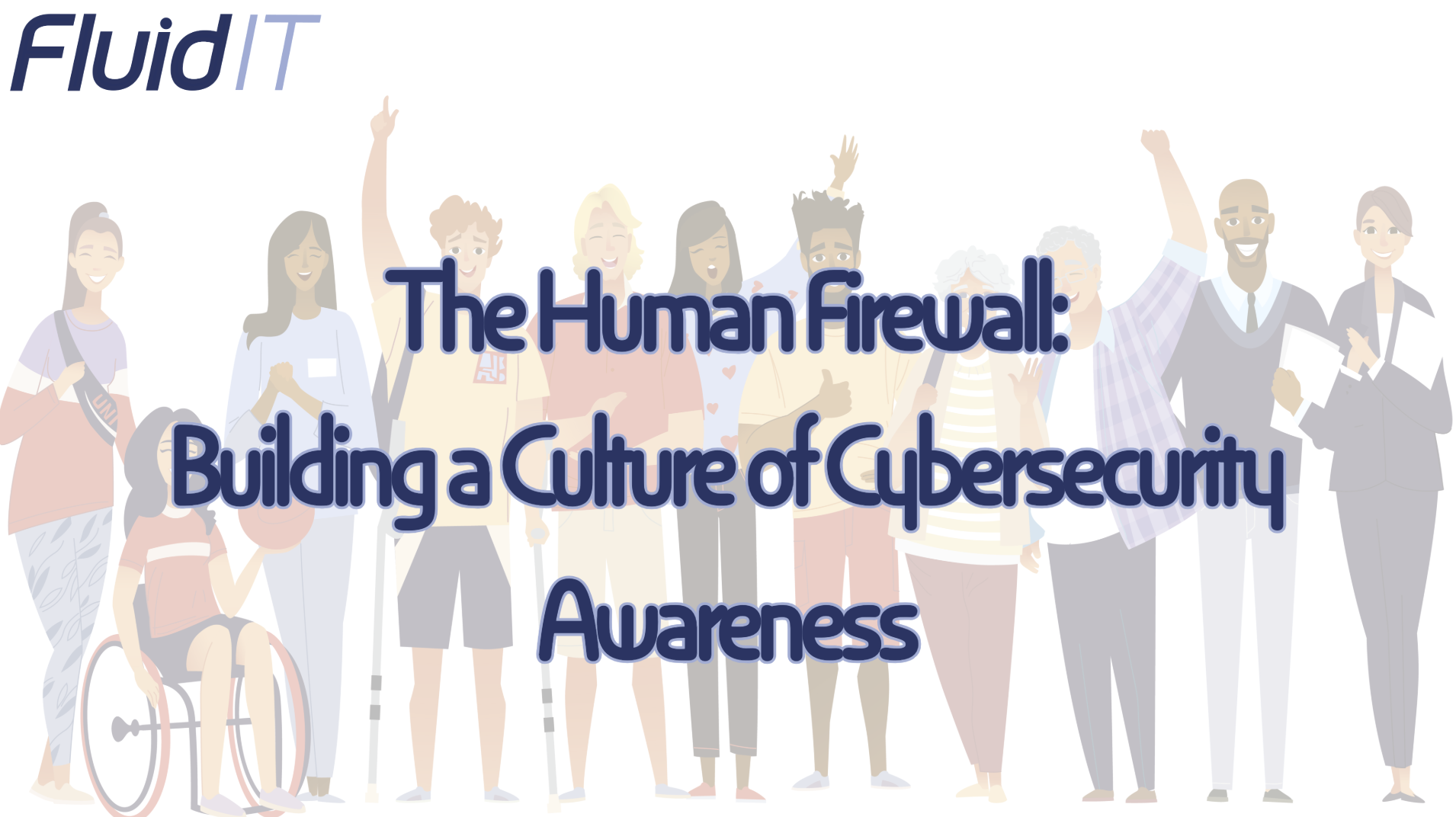
You can buy the most expensive firewall in the world. You can deploy advanced AI-driven endpoint detection and implement strict password policies. But if a well-meaning employee in your finance department clicks a link in a convincingly written phishing email, those technical defenses can be bypassed in seconds. In the modern threat landscape, the human element is both your greatest vulnerability and your greatest potential defense. Building a "Human Firewall" is just as critical as building a technical one.
Social Engineering: Hacking the Human
Cybercriminals have evolved. They no longer just "hack computers"; they "hack people." Social engineering attacks rely on psychological manipulation—urgency, fear, curiosity, or helpfulness—to trick users into revealing credentials or transferring funds. These attacks are sophisticated, often using personalized information found on LinkedIn or social media to make the scam appear legitimate (a technique known as "Spear Phishing"). Software cannot always detect intent, which is why human intuition is the final line of defense.
Moving Beyond "Fear-Based" Training
Historically, security training was a boring annual compliance video that employees slept through. To build a true Human Firewall, training must be engaging, continuous, and positive. It shouldn't be about punishing employees for making mistakes; it should be about empowering them to be guardians of the company's reputation. When employees feel responsible for security, they become hyper-vigilant, reporting suspicious activity rather than ignoring it.
Key Pillars of a Security-First Culture:
• Phishing Simulations: Regularly sending safe, simulated phishing emails to staff helps identify who needs more training and keeps security top-of-mind without real-world consequences.
• Zero-Blame Reporting: Create an environment where employees are encouraged to report "near misses" or accidental clicks immediately. If they fear being fired, they will hide the mistake, allowing the malware to spread.
• Role-Based Training: The finance team faces different threats (wire fraud) than the HR team (resume attachments with malware). Tailoring training to specific roles makes it more relevant and effective.
• Executive Buy-In: Security culture starts at the top. If the CEO ignores password policies or bypasses MFA, the rest of the company will follow suit.
Conclusion
Technology handles the ones and zeros, but your people handle the trust. By investing in a robust security culture and treating your employees as an active part of your defense strategy, you turn your biggest risk into your strongest asset.
 Devin Kindred : Mar 17, 2026, 6:30:00 AM

 Clint Underwood
 Kurt Thomas